



Embracing responsible gambling essential tips for safer play
Understanding Responsible Gambling
Responsible gambling is a concept that emphasizes the importance of playing within one’s means and ensuring a safe gaming environment. It encourages players to set limits on their spending and time spent gambling, promoting a healthy relationship with games of chance. By exploring various platforms, you can find fast withdrawal casinos that prioritize user safety while ensuring enjoyment. Understanding this concept is vital as it not only enhances the enjoyment of gambling but also safeguards individuals from the potential risks associated with excessive play.

As gambling evolves with technology, responsible practices have become even more essential. Many online platforms now offer features that allow players to set deposit limits, time-out periods, and self-exclusion options. Embracing these tools can help players maintain control and enjoy gambling as a form of entertainment rather than a source of stress or anxiety.
Recognizing the Signs of Problem Gambling
Being aware of the signs of problem gambling is crucial for anyone who participates in gaming activities. Symptoms may include a preoccupation with gambling, the urge to bet more money, or neglecting personal and professional responsibilities. Identifying these signs early can lead to prompt action and support, ensuring a positive gambling experience.
If you or someone you know is exhibiting these signs, seeking help is essential. Numerous resources and support groups are available to provide assistance and guidance. Talking openly about gambling habits can lead to a healthier approach and can help restore balance in one’s life.
Setting Personal Gambling Limits
One effective way to practice responsible gambling is by setting personal limits on both time and money. Establishing a budget before you start playing can significantly decrease the chances of overspending. This practice ensures that gambling remains a form of entertainment rather than a financial burden, allowing for a more enjoyable experience overall.
Additionally, setting time limits helps players avoid getting caught up in prolonged gaming sessions. Scheduling breaks and ensuring that gambling does not interfere with daily responsibilities are vital steps in maintaining a responsible gambling approach. These practices create a balanced gaming experience that prioritizes enjoyment and safety.
Utilizing Support Resources
Many organizations and websites offer resources for individuals seeking support for gambling-related issues. Whether it’s helplines, counseling, or community groups, these resources can provide valuable assistance. They are designed to empower individuals to make informed decisions and regain control over their gambling habits.
Utilizing these resources can foster a culture of responsibility within the gaming community. By encouraging players to seek help when needed, the overall environment becomes more supportive and understanding, paving the way for safer gaming experiences.

Prioritizing Safety in Online Gambling
Choosing safe and reputable online gambling platforms is fundamental for responsible gaming. Ensure that the casino you select is licensed and regulated by recognized authorities. This not only guarantees fair play but also helps protect your personal and financial information.
Additionally, familiarizing yourself with the site’s responsible gambling policies can enhance your gaming experience. Many online casinos provide tools and resources to help players gamble responsibly, further prioritizing their safety and well-being. Always be informed and cautious to enjoy a safe gambling environment.

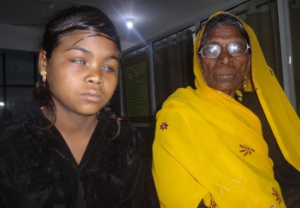 Nisha Solanki belongs to a large family of two brothers and four sisters (of whom 3 are married). Both her brothers and elder sister attend school. Nisha’s father is mentally challenged. The responsibility of earning is on the mother, who is a daily wage farm labourer and grandmother, who tends to her goats. Two earing members for a family of ten.
 Blindness in children leads to deep impact on psychological, emotional, and socioeconomic growth to the family. A child with blindness is more likely to have delays in developmental milestones, to be more frequently hospitalized, and die during childhood than a sighted child. Such severe vision loss also adversely effects the educational activities, orientation, and mobility from the early stage of life resulting in lack of employment privilege. These differential characteristics between a sighted and non-sighted child is more obvious in developing countries. Moreover, the disability adjusted life years (DALY) loss in a blind child is far more than that of adults with blindness.