


In many cases, your genes are sending a clear message that alcohol is a poor match for your body. When selecting a gluten-free beer, wine, or spirit, check for Alcohol Intolerance certifications from organizations that specialize in gluten-free standards. These certifications provide assurance that the product has been produced with celiac safety in mind. Additionally, read labels carefully and look for statements indicating that the product is gluten-free.
What Should I Do if I Experience Symptoms of Alcohol Intolerance?

It’s important to note that alcohol intolerance can be mistaken for an allergic reaction. However, while some of the symptoms may appear similar, alcohol intolerance is a different condition with its own set of causes and risk factors. Alcohol intolerance is a fascinating and under-discussed topic that affects a significant portion of the population. This condition occurs when the body is unable to properly metabolize alcohol, leading to a range of symptoms that can be uncomfortable or even debilitating. If you think you might have developed an alcohol intolerance, it’s important to find out for sure so you’re in a better position to manage your health. A food intolerance test is a fast and reliable way to find out in just 3 days.

Know the Danger Signs and Act Quickly
Alcoholic drinks high in sulphites and/or histamine include wine (red, white, rosé and sparkling), cider and beer. Some varieties of gin and vodka, as well as ‘natural wines’ are low in sulphites. However, asthma experts warn sufferers to choose their drinks carefully, because even low-sulphite wines will contain some sulphites. These compounds are often added to beer and wine to limit the growth of yeast and act as a preservative. Common sulfites include potassium bisulfite or potassium metabisulfite.
Histamines
- If you are sensitive to an additive rather than alcohol itself, you may have options with regard to beverages.
- These can lead to flushing, headaches, rashes, stuffy nose, or stomach problems.
- Often, what people consider to be an alcohol allergy is, in fact, alcohol intolerance.
Severe flushing can be very uncomfortable, but it is not dangerous. When you have an intolerance to alcohol, your body is lacking an enzyme that is needed to process alcohol. If you do not have the enzyme or the enzyme does not work properly, then the toxic product of alcohol, called acetaldehyde, will build up. There’s no cure for alcohol intolerance, but avoiding alcohol or choosing drinks with lower alcohol content can help manage symptoms. The symptoms of alcohol intolerance are unpleasant but rarely dangerous and will eventually go away on their own. However, if asthma symptoms occur with alcohol intolerance, it is good to see your doctor and ensure you manage your asthma correctly.
Can I drink cocktails made with gluten-containing ingredients?
Liver disease from viral hepatitis, fatty liver, or many years of heavy drinking reduces its capacity to handle a drink. Even mild damage can slow clearance and leave higher levels of alcohol and acetaldehyde in the blood for longer. In social settings, individuals with gluten intolerance can also take steps to minimize the risk of cross-contamination. For example, they can choose to drink from a separate glass or bottle, and avoid sharing drinks or mixers with others. When attending events or parties, individuals can also consider bringing their own gluten-free alcohol and mixers to ensure that they have a safe and gluten-free option. By taking these precautions, individuals with gluten intolerance can enjoy social drinking while minimizing the risk of exposure to gluten and staying safe.
Elsewhere on BBC Food
Getting a stuffy nose after you consume alcohol is a common occurrence. This is usually related to the effects that alcohol has on your blood vessels. This can cause swelling inside the nose and produce symptoms of congestion.
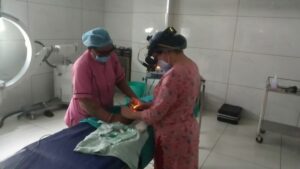
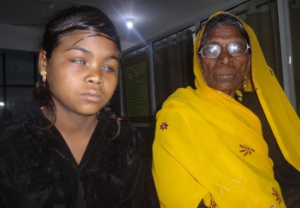 Nisha Solanki belongs to a large family of two brothers and four sisters (of whom 3 are married). Both her brothers and elder sister attend school. Nisha’s father is mentally challenged. The responsibility of earning is on the mother, who is a daily wage farm labourer and grandmother, who tends to her goats. Two earing members for a family of ten.
 Blindness in children leads to deep impact on psychological, emotional, and socioeconomic growth to the family. A child with blindness is more likely to have delays in developmental milestones, to be more frequently hospitalized, and die during childhood than a sighted child. Such severe vision loss also adversely effects the educational activities, orientation, and mobility from the early stage of life resulting in lack of employment privilege. These differential characteristics between a sighted and non-sighted child is more obvious in developing countries. Moreover, the disability adjusted life years (DALY) loss in a blind child is far more than that of adults with blindness.